Music Production Knowledge Backlog
Here you can browse the latest published tutorials, guides, tools, articles, music posts, videos, and releases in one timeline. If you want a smaller overview, start with Polarity Music tutorials, Bitwig guides, Building Bitwig Grids, helpers, articles, music videos, releases, or the music hub. If you want something specific, use the search.
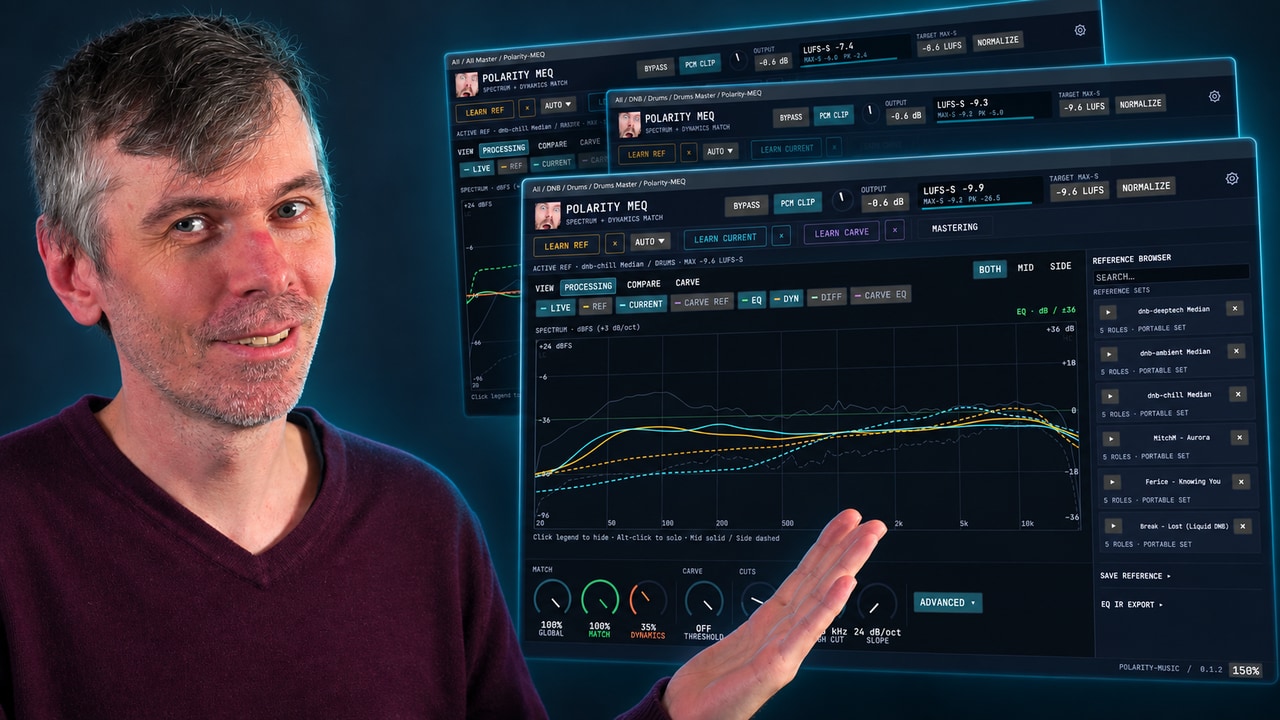
Learn how Polarity-MEQ delivers free EQ matching, loudness and dynamic matching, and sidechain carve EQ for more consistent mixes.
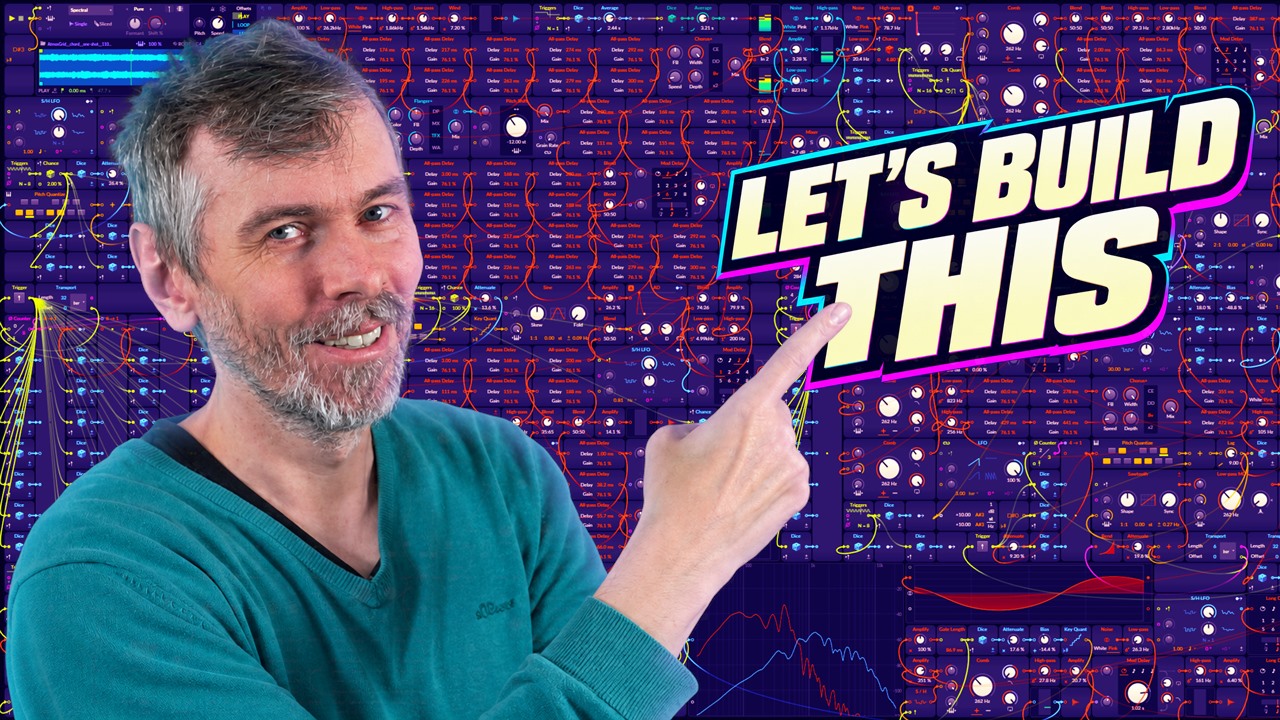
Build Rain Habitat in Bitwig Poly Grid from a recorded noise sample, then add generative voices, bass, rain-drum textures, and layered all-pass spaces.
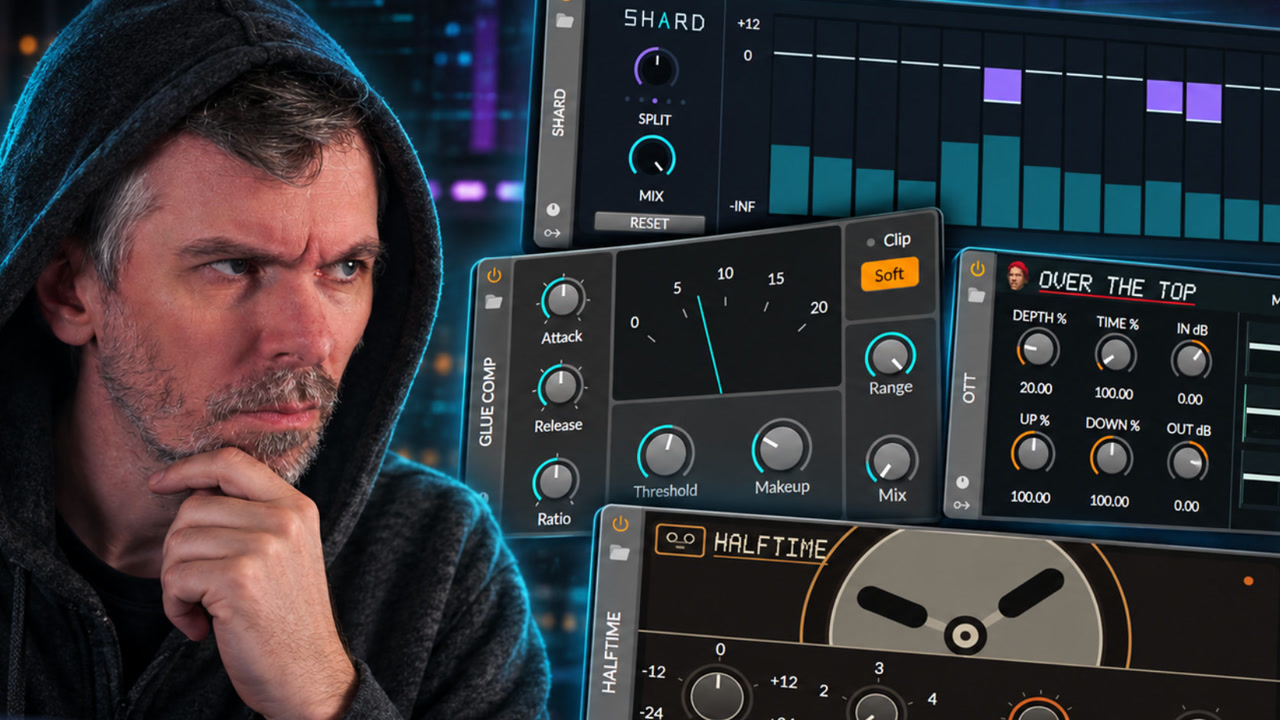
See how reverse engineering and registry patching enable custom native-looking Bitwig Studio devices such as SHARD, Halftime, OTT, Growl, and Glue Comp.
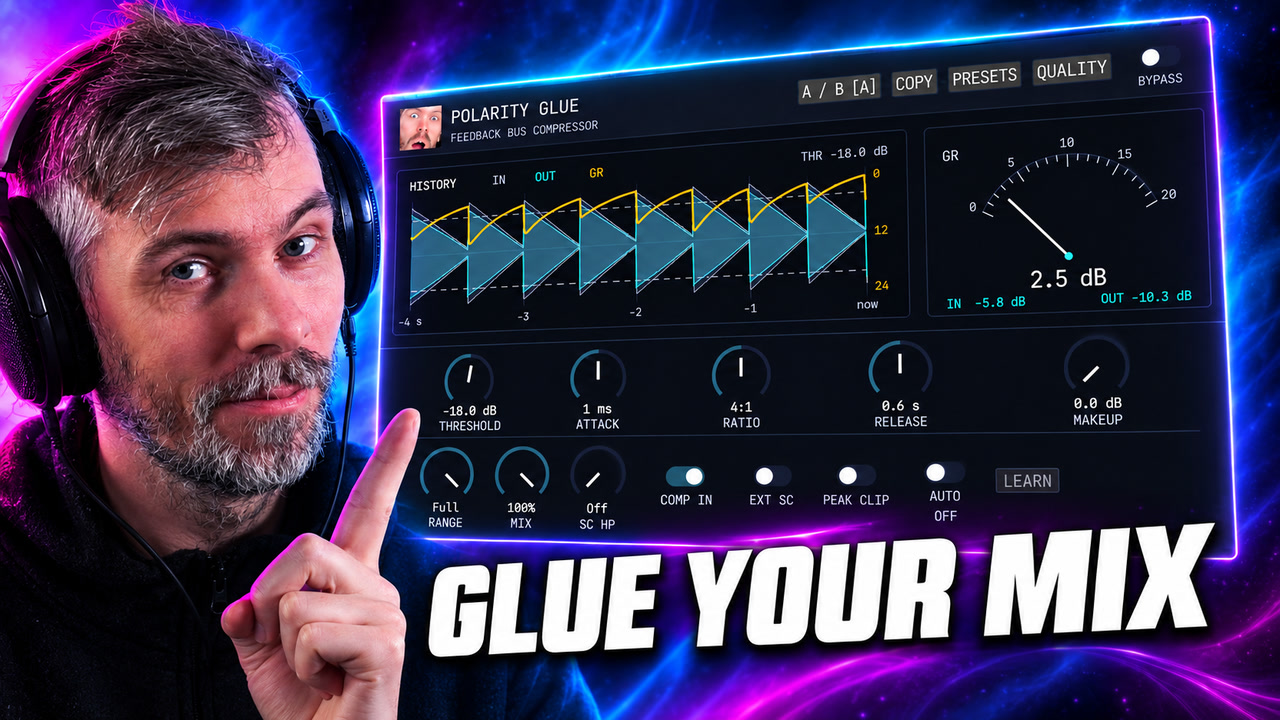
Polarity Glue is a free SSL-inspired feedback bus compressor for Windows, macOS, and Linux, with Auto Makeup, parallel mix, waveform history, sidechain control, and output clipping.
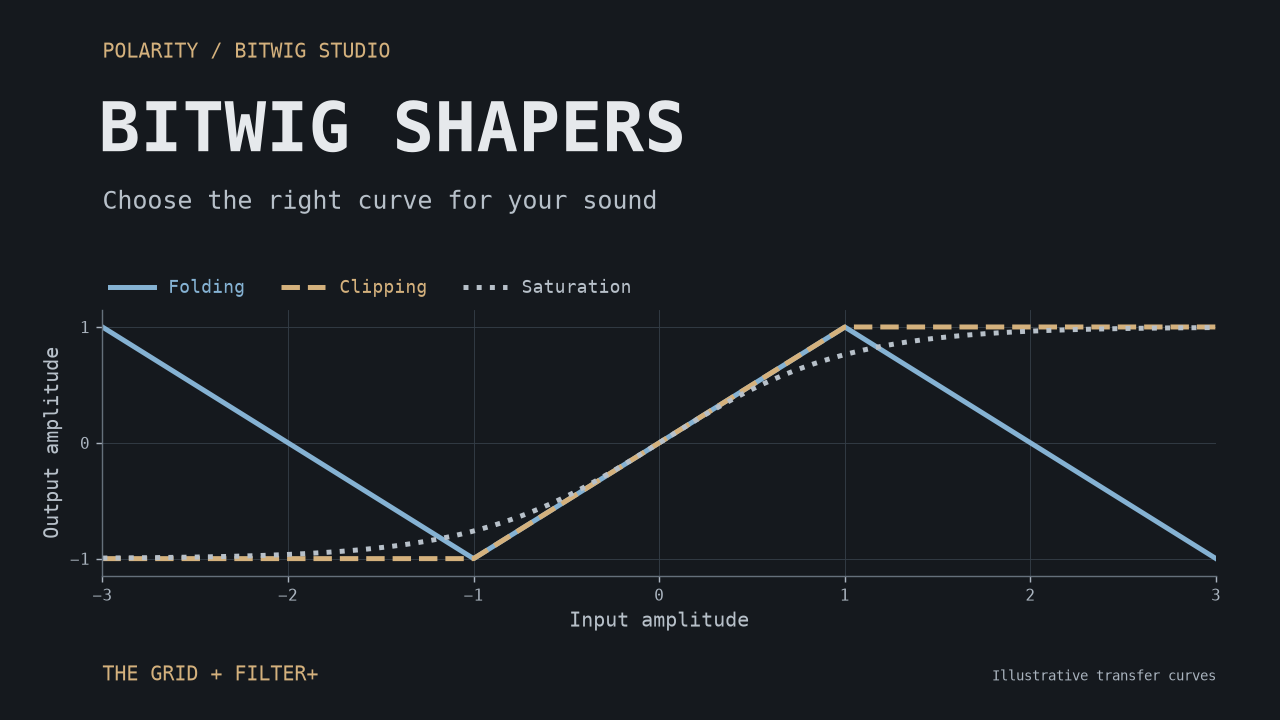
A practical guide to Bitwig's 15 Grid shapers: choose between clipping, saturation, folding, harmonic shaping, and custom curves, with starting points for basses, synths, drums, and modulation.
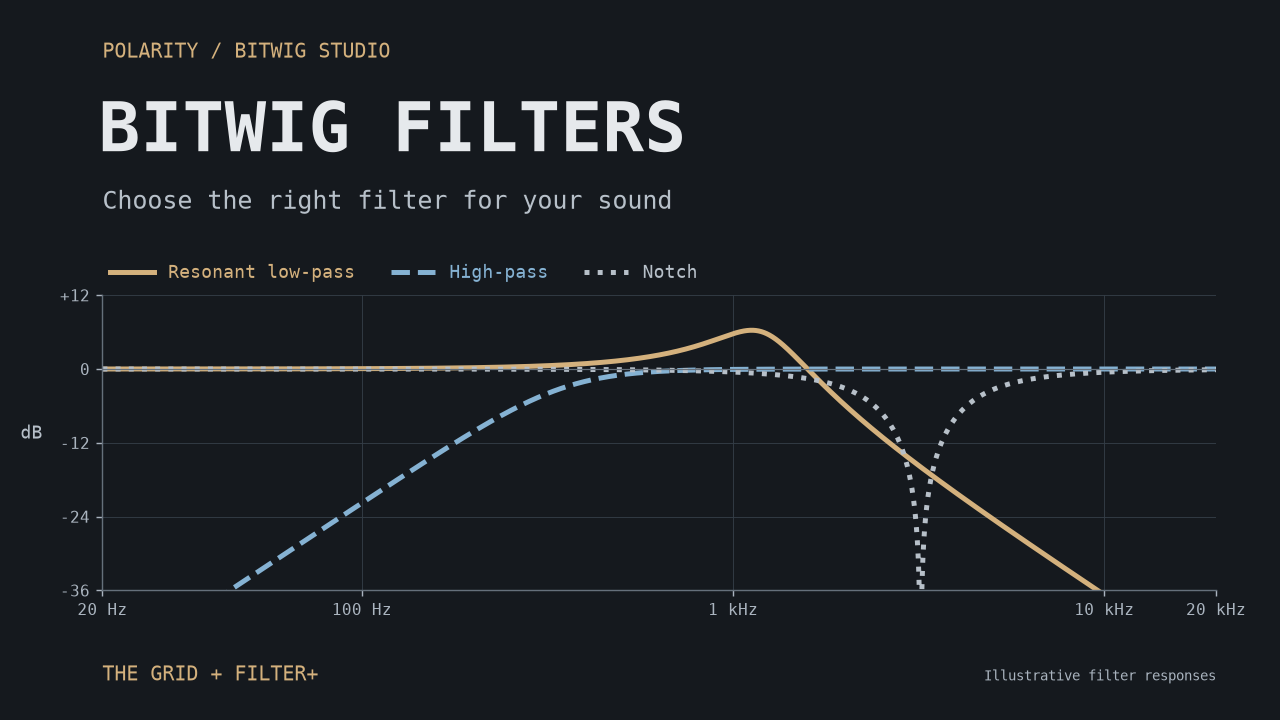
A practical guide to the ten filters shared by The Grid and Filter+: where their ideas come from, what makes them useful, and starting points for basses, pads, percussion, vocal textures, and feedback experiments.
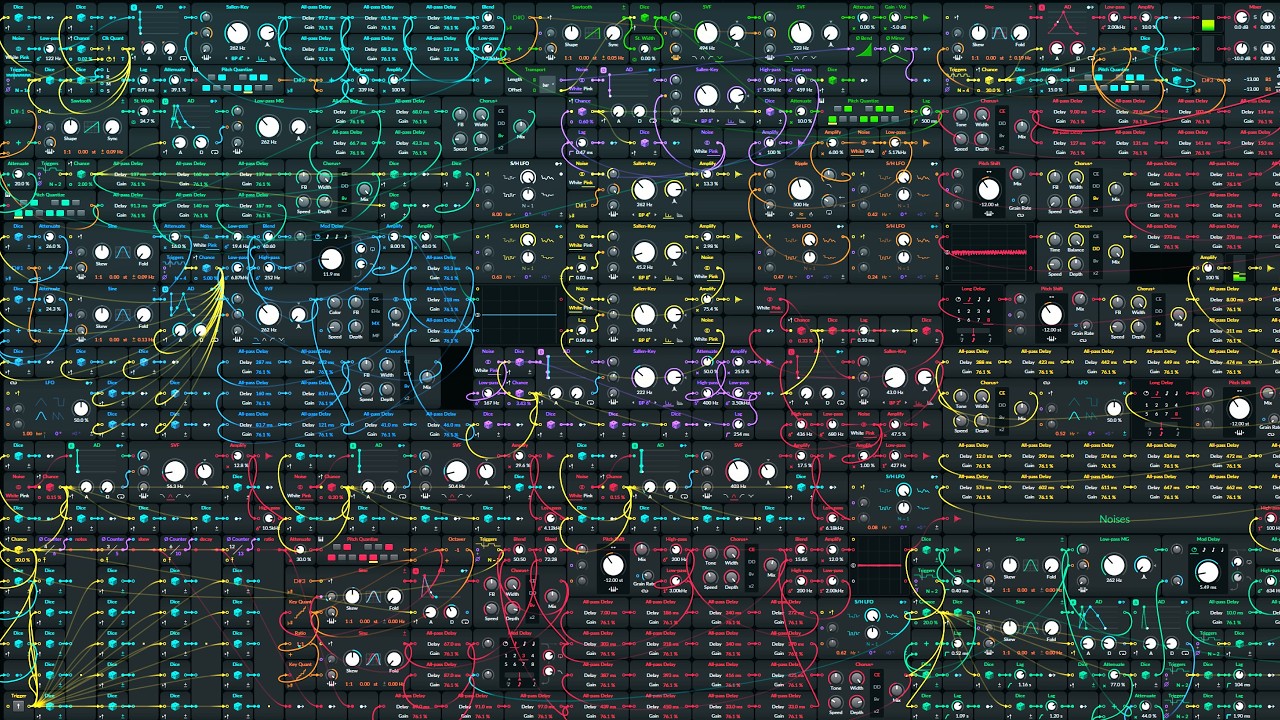
Neon Drizzle: nearly three hours of generative Bitwig ambient with rain, distant sci-fi sounds and quiet E-flat minor drones.
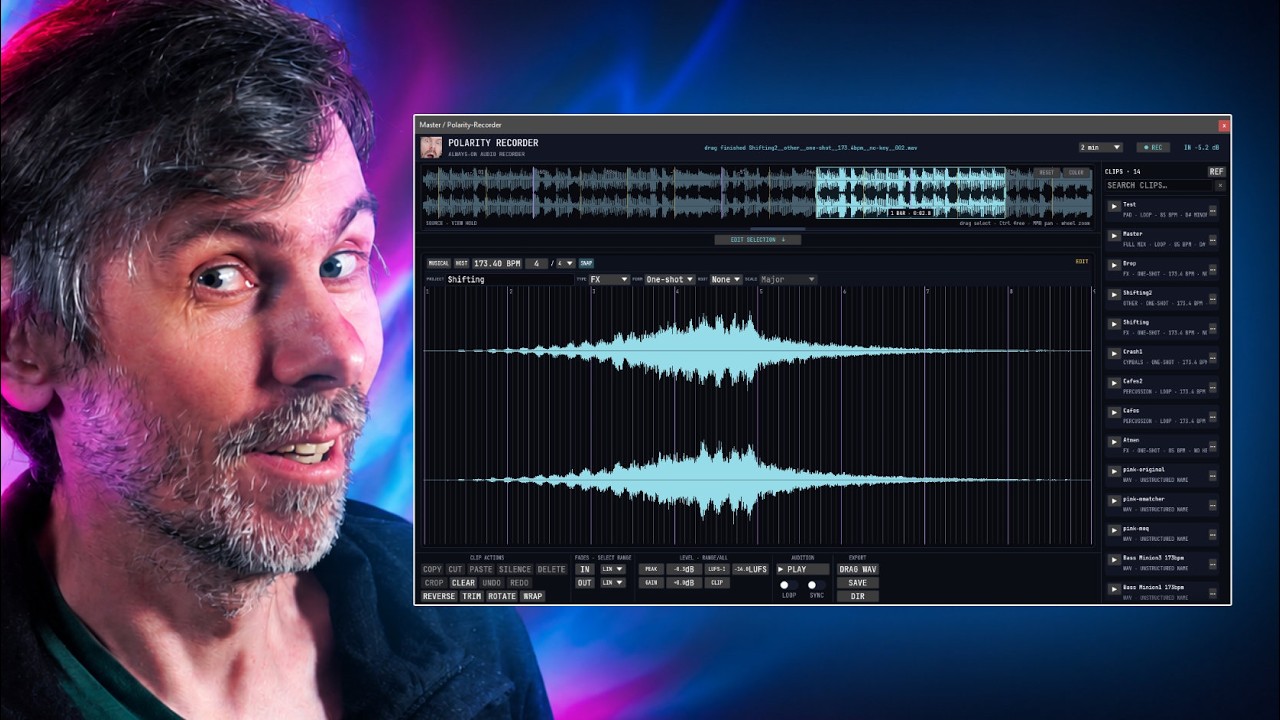
Learn how Polarity-Recorder captures background audio in a DAW to recover ideas, snap loop exports to bars, and build searchable samples fast.
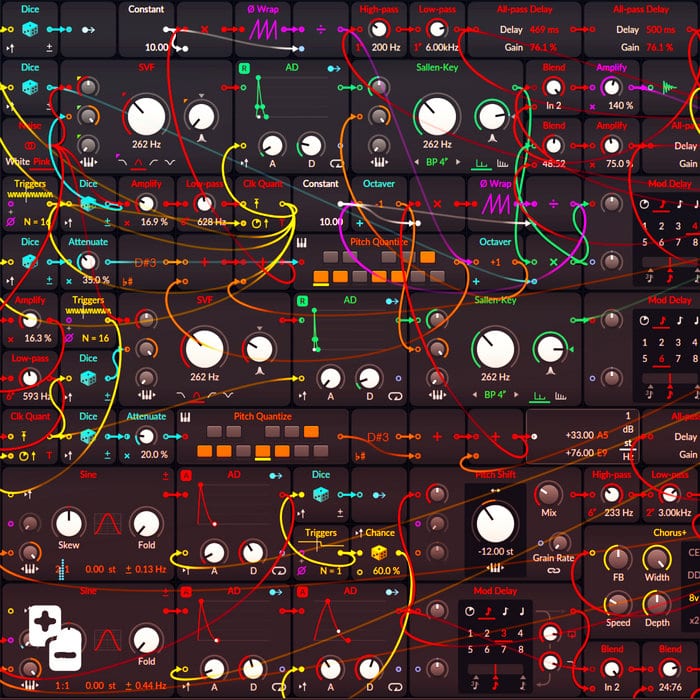
Polarity's Soft Orbit (Ambient Tales) turns one generative Bitwig Grid patch into four 10-minute ambient drone versions.
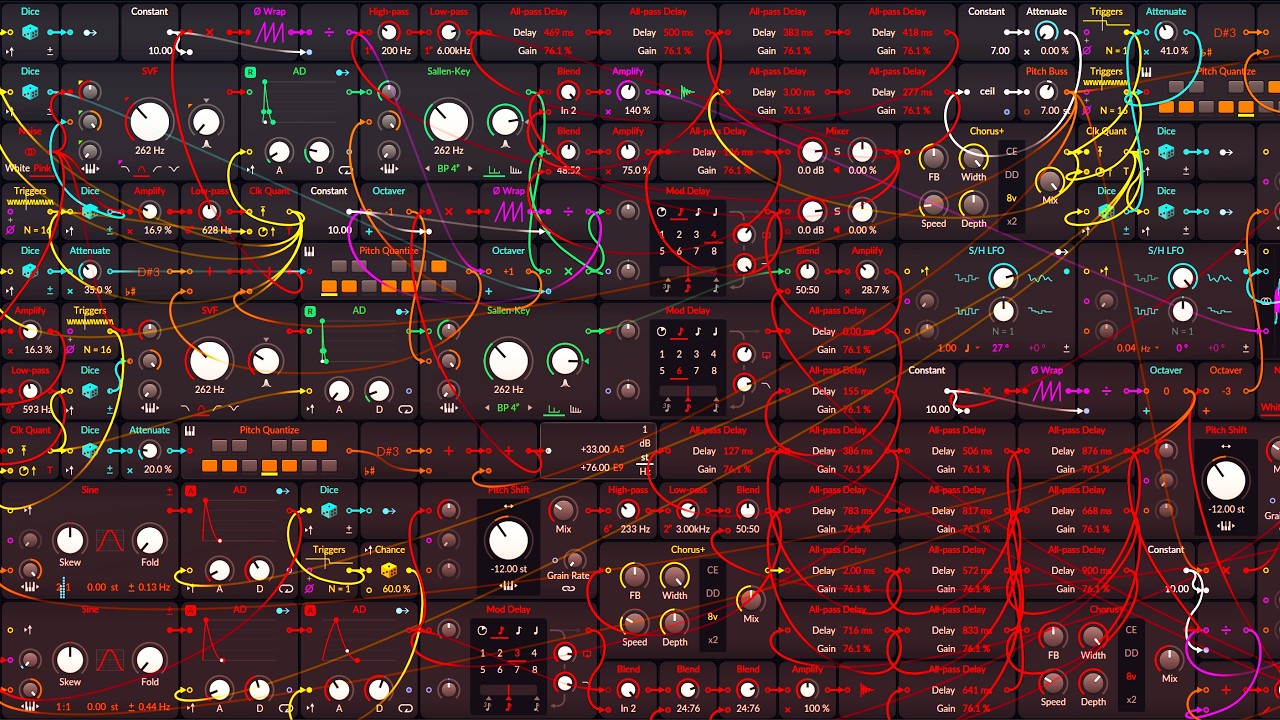
A warm generative Bitwig Poly Grid drone where randomized Sine voices move through the circle of fifths while filtered Noise adds an airy, shifting top layer.
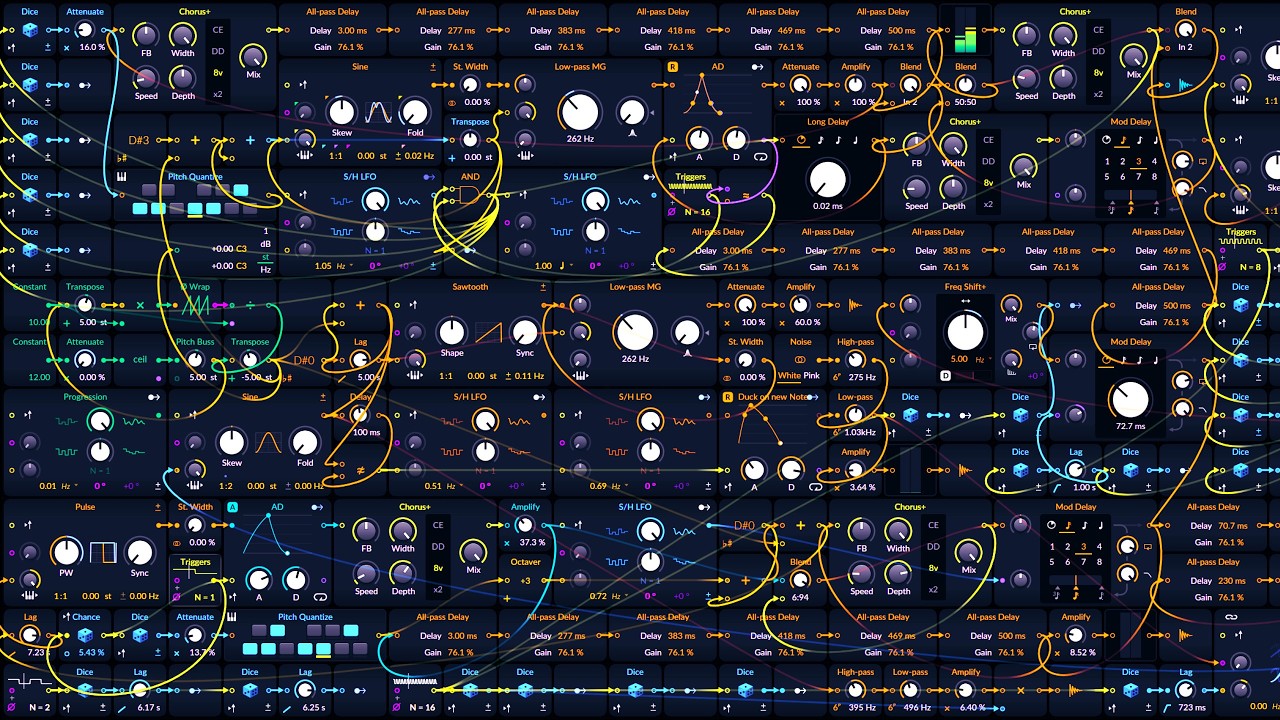
A generative Bitwig Poly Grid soundscape where modal harmony moves upward in perfect fourths while randomized tonal and noise layers drift through delay, chorus, filtering, and diffusion.
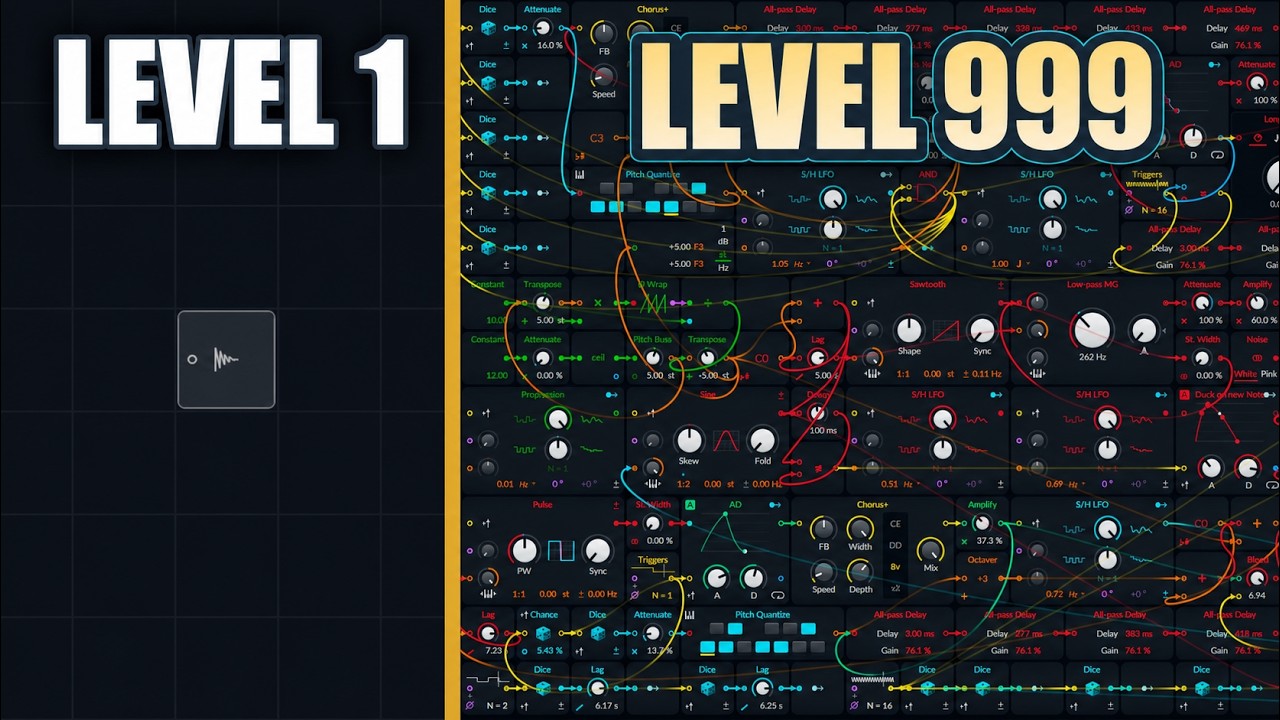
Build a generative ambient Bitwig Grid patch with fifth-based pitch motion, all-pass delays, bass ducking, and noise layers, learning trigger-safe note changes.

Learn how to use Polarity Res, the free spectral resonator, to build resonant drums, drones and playable synth tones with MIDI, MPE and noise.

A self-running Bitwig Poly Grid soundscape where a sustained drone carries wind, rain, noise, and small randomized percussion through dense delay and reverb.

Learn how to use Bitwig Studio Grid with the Probabilities module and Sample and Hold to create weighted random modulation and note sequencing.

Learn Bitwig Studio Poly Grid bass sound design with a random wavetable and PM generator, then render stable bass patches for drums and basslines.
Previous | Next